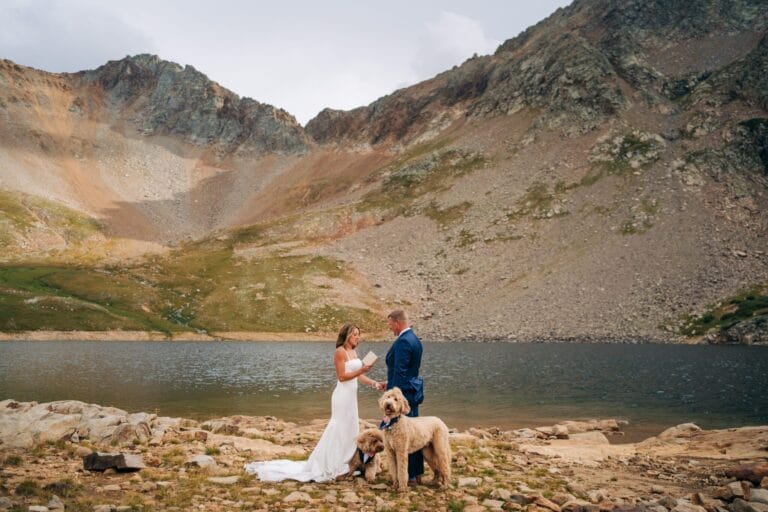
Elopement Timeline Examples: What An Elopement Day Actually Looks Like.

Planning an elopement often feels less structured than planning a traditional wedding, but having a clear elopement timeline can make the day more intentional, stress-free, and enjoyable. Whether you’re planning a short mountain ceremony or a multi-day adventure, a thoughtful timeline helps you maximize your experience and your photography coverage. This guide breaks down what an elopement day actually looks like, with sample timelines for half-day, full-day, and multi-day elopements.
What Is an Elopement Timeline?
An elopement timeline outlines how your wedding day flows, including getting ready, travel, your ceremony, and portraits. Unlike traditional wedding timelines that revolve around guest schedules and venues, elopement timelines are built around light, nature, adventure, and meaningful experiences.
Because elopements often take place outdoors—especially in mountains, national parks, and remote locations—your timeline also needs to account for hiking, weather, permits, and travel time.
Why Your Elopement Timeline Matters
A well-planned elopement timeline helps you:
- Choose the best lighting for photos
- Avoid crowds in popular outdoor locations
- Plan hiking and travel times realistically
- Build in rest and celebration time
- Create a relaxed, intentional experience
For couples eloping in Colorado or other mountainous destinations, timing can dramatically affect your experience due to elevation, weather changes, and seasonal conditions.
You can learn more about planning a location-based elopement in my Colorado Elopement Guide.


Preparing for the Day
The morning of an elopement is an intentional, unhurried start to the day and plays an important role in the overall elopement timeline. Couples typically begin by getting ready together or separately on the same property or at different accommodations close by to each other. This all just depends on their preferences and the experience they want to create. This time is often quiet and reflective, allowing couples to settle into the significance of the day ahead.
Getting ready moments include details such as putting on attire, putting the final touches on their vows, opening surprise gifts from each other, sharing a first look, and documenting personal items like rings, attire, and florals. Many couples hire professional hair and makeup artists who travel to their lodging, which helps streamline the morning and reduce logistical stress. This is a fun experience to document especially if you have never splurged on getting your hair and makeup professionally done.


The Ceremony
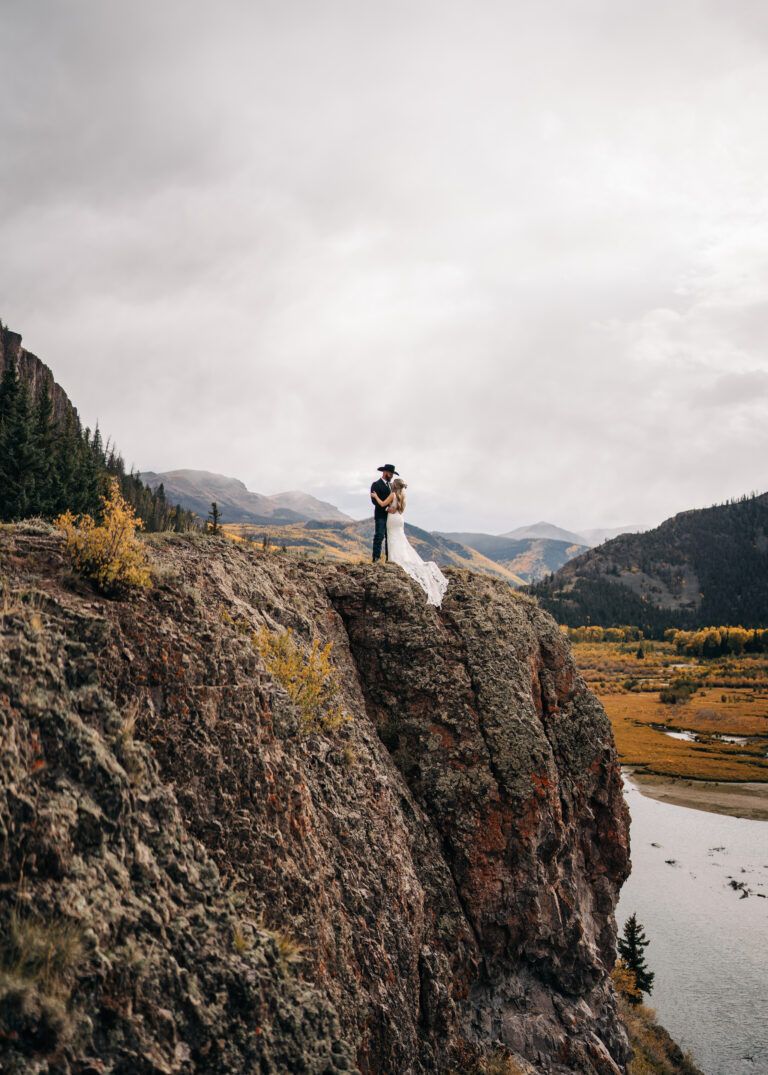
The elopement ceremony is the “heart” of the day and a key anchor point in the overall elopement timeline. Unlike traditional weddings, elopement ceremonies are not limited to designated venues or fixed schedules. Couples can choose locations that feel meaningful, scenic, or logistically practical, such as alpine overlooks, secluded beaches, forest clearings, desert landscapes, or urban rooftops. The ceremony location often becomes part of the narrative of the day, with the surrounding environment acting as a natural backdrop.
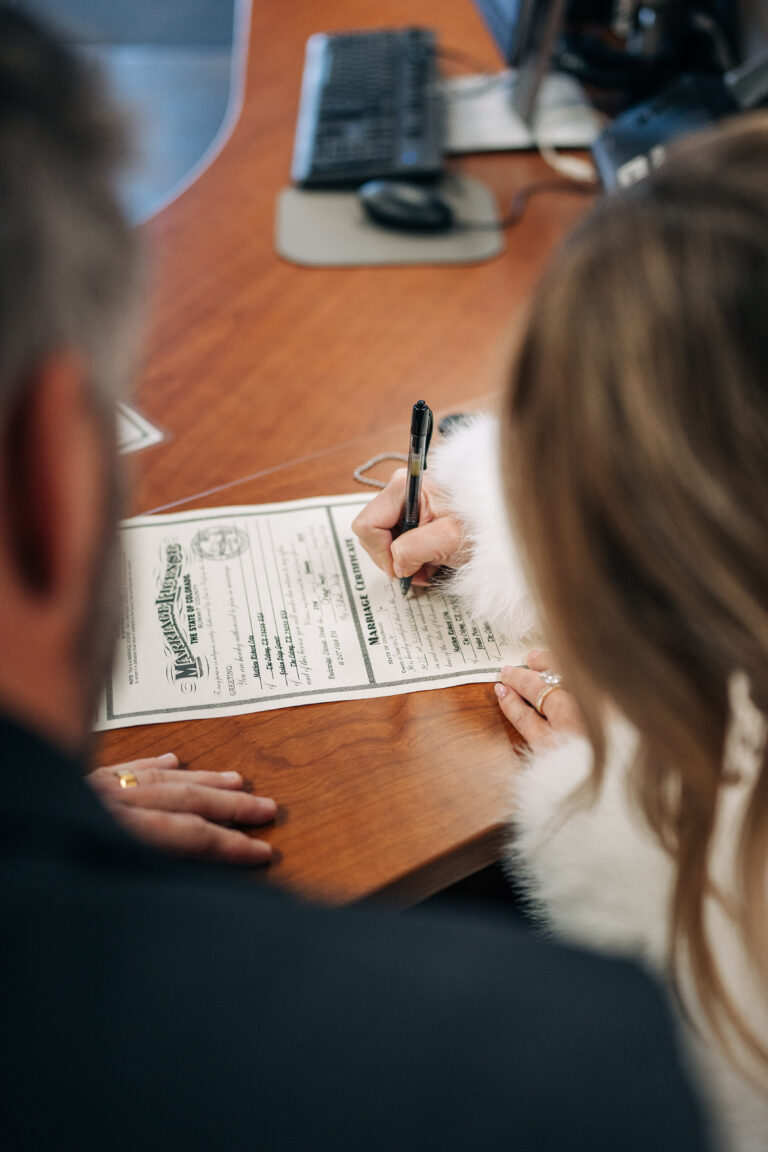
Many couples choose to write personalized vows, which allows them to speak openly about their relationship, commitments, and shared experiences. Because elopements typically involve fewer guests—or none at all—the ceremony often feels private and focused, with fewer external distractions. Couples may hire an officiant, choose a symbolic ceremony, or self-solemnize depending on the legal requirements of their location. In some regions, witnesses are required, while in others, couples can legally marry without an officiant.
View Blog Post: “Colorado Marriage Laws”
Some couples include a small number of guests, such as immediate family or close friends. When guests are present, they can be incorporated through readings, ring warming ceremonies, or shared toasts, adding structure and meaning to the ceremony. Planning these elements ahead of time helps ensure the ceremony flows smoothly and stays aligned with the planned elopement timeline.
The timing of the ceremony is often scheduled around environmental conditions, particularly sunrise, golden hour, or sunset. Lighting conditions influence photography, weather patterns, and crowd levels, especially in popular outdoor locations. Choosing the ceremony time strategically can improve privacy, reduce foot traffic, and create more favorable lighting for photos and video.


Celebratory Activities for Your Elopement Day
After the ceremony, many couples plan intentional celebratory activities that align with their interests, values, and the location they chose. This portion of the elopement timeline is flexible and can include anything from a quiet, private celebration to a full adventure experience. Common options include sharing a bottle of champagne or sparkling cider at the ceremony site, enjoying a curated picnic, or taking time to read letters and reflect together. These activities allow couples to slow down and fully experience the day without the time constraints of a traditional wedding schedule.
Outdoor adventure is a frequent component of elopement celebrations, especially for couples who choose scenic or remote locations. Some couples hike to a second viewpoint, explore alpine lakes, kayak along a coastline, or visit waterfalls and scenic overlooks. Planning multiple locations throughout the day allows couples to experience diverse landscapes and adds variety to their photos and overall experience. Other couples prefer low-key celebrations, such as visiting a local brewery, enjoying a private chef dinner, relaxing in a hot spring, or spending time by a campfire. These quieter experiences can be just as meaningful and help couples decompress after the ceremony.
View Blog Post: “50 Elopement Day Activity Ideas”
Photography coverage often continues during this part of the day, documenting both guided portraits and unscripted moments. Many couples schedule this portion of the elopement timeline around golden hour, when lighting conditions are softer and more flattering. Sunset portraits are commonly planned at a separate location from the ceremony site to maximize scenic variety and lighting opportunities. Planning celebratory activities with travel time and lighting conditions in mind helps ensure a smooth flow throughout the day.


An Intimate Dinner to Celebrate Your Elopement Day
An intimate dinner is a common way to conclude an elopement day and is often the final structured portion of the elopement timeline. Couples can choose a dining experience that reflects their preferences, location, and level of formality. Some couples hire a private chef to prepare a meal at their accommodation, which allows for a curated, personalized dining experience without needing to travel. Others reserve a table or room at a local restaurant to experience regional cuisine and celebrate in a relaxed setting. In remote or outdoor locations, couples may opt for a catered picnic, a campfire meal, or a stargazing dinner, which can be logistically simpler and well-suited for wilderness environments.
Elopement dinners often include intentional details that help mark the occasion. Multi-course meals, customized menus, and specialty drinks are common additions. Some couples incorporate a small wedding cake, champagne toast, or dessert experience to mirror traditional wedding celebrations in a more private setting. Planning these details in advance can help ensure vendors, reservations, and timing align with the overall elopement timeline.
For couples eloping in popular destinations, dining reservations should be made in advance, especially during peak seasons. Factoring travel time, fatigue, and lighting conditions into dinner plans can help create a seamless transition from ceremony and portraits to an evening celebration.
View Blog Post: “Celebrate Your Elopement with a Private Chef”


Wrapping Up Your Elopement Day
The final portion of an elopement day is often intentionally designed to help couples transition from the ceremony and celebrations into a meaningful close. This phase of the elopement timeline may include relaxing at their accommodation, soaking in a hot tub, or sharing a campfire. These low-key activities provide space to reflect on the day and experience the significance of the commitment without distractions. Elopements are typically planned with flexibility and comfort in mind, which allows couples to end the day at their own pace.
4-Hour Elopement Timeline Example
- 2:00 PM – Getting Ready, Details & First Look
- 3:30 PM – Drive to Ceremony Location
- 4:00 PM – Ceremony
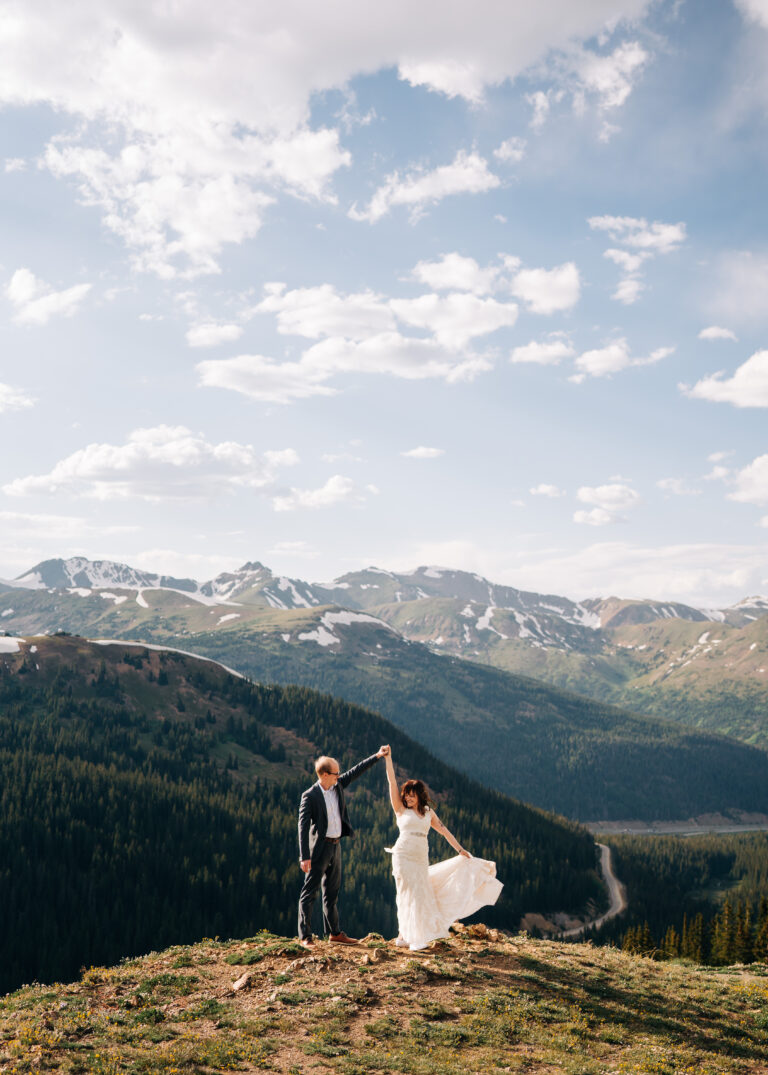
- 4:15 PM – Guest Portraits, Champagne Toast, First Dance
- 4:45 PM – Golden Hour Portraits of Bride & Goom
- 6:00 PM – Photo Coverage Wraps-up
8-Hour Elopement Timeline Example
- 1:00 PM – Getting Ready, Details, First Look
- 2:00 PM – Drive to Hiking Trailhead
- 2:30 PM – Start Hike
- 4:00 PM – Arrive at Alpine Lake / Bride & Groom Portraits
- 5:00 PM – Start hike back down
- 6:00 PM – Drive to Ceremony Location
- 6:45 PM – Ceremony
- 7:00 PM – Guest Portraits, Champagne Toast, First Dance
- 8:00 PM – Bride & Groom Portraits at Ceremony Location
- 9:00 PM – Coverage Ends
12-Hour Elopement Timeline Example
- 4:30 AM – Getting Ready
- 6:00 AM – Travel to Sunrise Location
- 6:30 AM – Sunrise Elopement Ceremony
- 6:45 AM – Sunrise Portraits
- 8:00 AM – Coffee Shop Stop
- 9:00 AM – Drive to Second Location
- 10:00 AM – Hike to Scenic Overlook
- 12:00 PM – Arrive at Overlook & Picnic Lunch
- 1:00 PM – Portraits at Overlook
- 2:30 PM – Start Hike Back
- 4:30 PM – Coverage Wraps-up


Elopement Timeline Photography Tips
- Plan key moments around golden hour for the best lighting
- Allow at least 30–60 minutes for portraits at each location
- Add buffer time for travel, wardrobe changes, and weather shifts
- Consider sunrise or weekday ceremonies to avoid crowds
For couples eloping in national parks, understanding photography logistics is especially important. You can learn more about national park elopements in Rocky Mountain National Park Elopement Guide.
What to Pack for Your Elopement Day
- Marriage license and vow books
- Comfortable hiking shoes
- Layers for changing weather
- Water and snacks
- Sunscreen and sunglasses
- Headlamp or flashlight
- Blanket or picnic setup
- Champagne or celebratory drinks
FAQ: Elopement Timeline
How long should an elopement timeline be?
Most elopements last between 4 and 12 hours, depending on how many locations, activities, and portraits you want to include. Although, we are starting to see a trend where couples are choosing to have multi-day experiences!
What time of day is best for an elopement?
Sunrise and sunset are the most popular times due to soft lighting and fewer crowds. However, midday elopements can work well in shaded locations. It’s important you talk to your photographer about this!
Do you need a full day for an elopement?
Not necessarily. Many couples choose half-day coverage, but full-day elopements allow for a slower pace, hiking, and multiple locations.
Can you hike during your elopement timeline?
Yes. Many couples hike to alpine lakes, mountain overlooks, or secluded ceremony locations. Hiking time should be built into your timeline.
Can kind of adventurous activities can you include in your elopement timeline?
Depending on where you elope, there are so many different activities you can include. I know here in Colorado many of my clients choose to include hiking, mountain biking, horseback riding, paddle-boarding and so on, for their elopement days!
Ready To Start Planning Your Elopement?
If you’re ready to start planning your perfect elopement day, I’m here to help capture every beautiful moment. From selecting the perfect location to ensuring your day is documented with timeless images, I’ll work with you to create memories that will last a lifetime. Contact me today to begin designing the elopement of your dreams!